Car Reviews
Interpreting Vehicle Safety Evaluations and Technology
By Jordan Mitchell · 6 min read
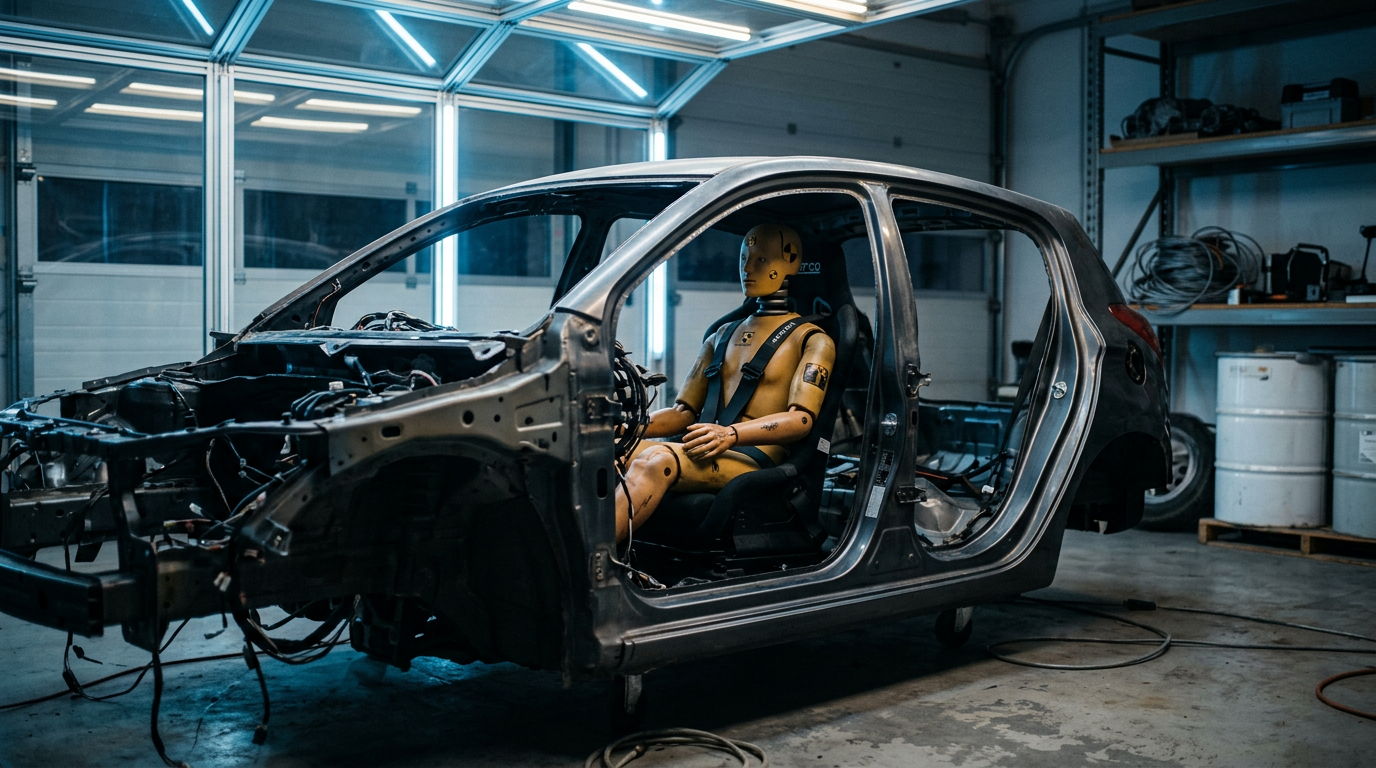
Safety is often a primary consideration for many drivers, though the technical terminology used in evaluation reports can be complex. Typically, two main organizations provide the data used to determine a vehicle's protective capabilities. Beyond evaluating impact survival, modern ratings also assess technology designed to help avoid collisions. Understanding these reports can help you identify a vehicle that provides the protection you may require for your passengers.
How Evaluation Ratings Function
The government agency responsible for highway safety provides ratings commonly based on a star system. These evaluations typically involve frontal impacts, side impacts, and resistance to rollover. A higher rating generally indicates a greater level of measured safety relative to other vehicles in a similar weight category. This can serve as a helpful baseline when comparing the structural integrity of different models. \n\nHowever, these ratings may be considered broad. While higher star counts are generally favorable, they might not provide a complete overview of every specific impact scenario. For more detailed information, consumers can review specific data within individual categories to see how a vehicle performed in different seating positions, which may be relevant depending on who typically occupies the rear seats.
Alternative Safety Scales and Designations
Certain independent non-profit organizations also conduct crash testing, often using a scale that ranges from poor to good. These tests may include specific scenarios, such as impacts involving only a portion of the front bumper, which simulates hitting a narrow object. High marks in these rigorous tests can indicate a vehicle's potential to protect occupants in specific types of collisions.\n\nSome vehicles may receive special designations if they meet high standards in crash tests and include effective lighting and crash-prevention systems. Some models may not achieve the highest possible designation if certain features, like the headlights, do not meet specific illumination criteria. These detailed reports can be useful for those who prioritize safety data when selecting a vehicle.
Protective vs. Preventative Technology
Passive safety features are designed to protect occupants during a collision and typically include items such as airbags and the vehicle's structural crumple zones. Active safety refers to technology intended to help prevent a collision from occurring, such as automatic braking or lane assistance. Modern safety evaluations often place significant importance on these technological systems.\n\nWhen reviewing data, it may be helpful to verify if a vehicle's collision avoidance systems are designed to detect various types of obstacles or if they are intended for specific speed ranges. A vehicle with high marks for impact protection but lower ratings for active technology may lack certain preventative layers that are increasingly common in newer models.
Considerations for Child Occupants
Vehicle safety features may perform differently regarding the protection of children. Many evaluators check for the ease of use regarding child seat anchor systems. Even if a vehicle has high scores in crash tests, anchor points that are difficult to access may increase the likelihood of improper seat installation, depending on the user's experience.\n\nFurthermore, some vehicles offer additional features for rear passengers, such as specific side-impact protection or alerts designed to remind drivers to check the rear seats. As technology advances, new features like center-mounted airbags are becoming more common in many family-oriented vehicles, depending on the manufacturer and the specific trim level.
Safety Ratings and Ownership Considerations
Safety ratings may influence the total cost of vehicle ownership, as insurance providers often use this data to help determine premiums. A vehicle with favorable safety ratings and effective technology may be associated with different insurance costs, as the likelihood of certain types of claims may vary based on these factors.\n\nHowever, it is important to note that some safety sensors are located in areas like bumpers or windshields, which may be expensive to repair after a minor impact. If these components are easily damaged, it could affect insurance costs or out-of-pocket expenses. Reviewing both safety data and general insurance trends for a specific model may provide a more comprehensive view of potential long-term costs.
Disclaimer: This article is informational only and does not constitute financial, legal, or insurance advice. Eligibility, rates, and outcomes vary by lender, insurer, region, and individual circumstances. Always verify details with the program or institution directly before making decisions.