Car Reviews
How to Evaluate Vehicle Trim Levels and Features
By Jordan Mitchell · 5 min read
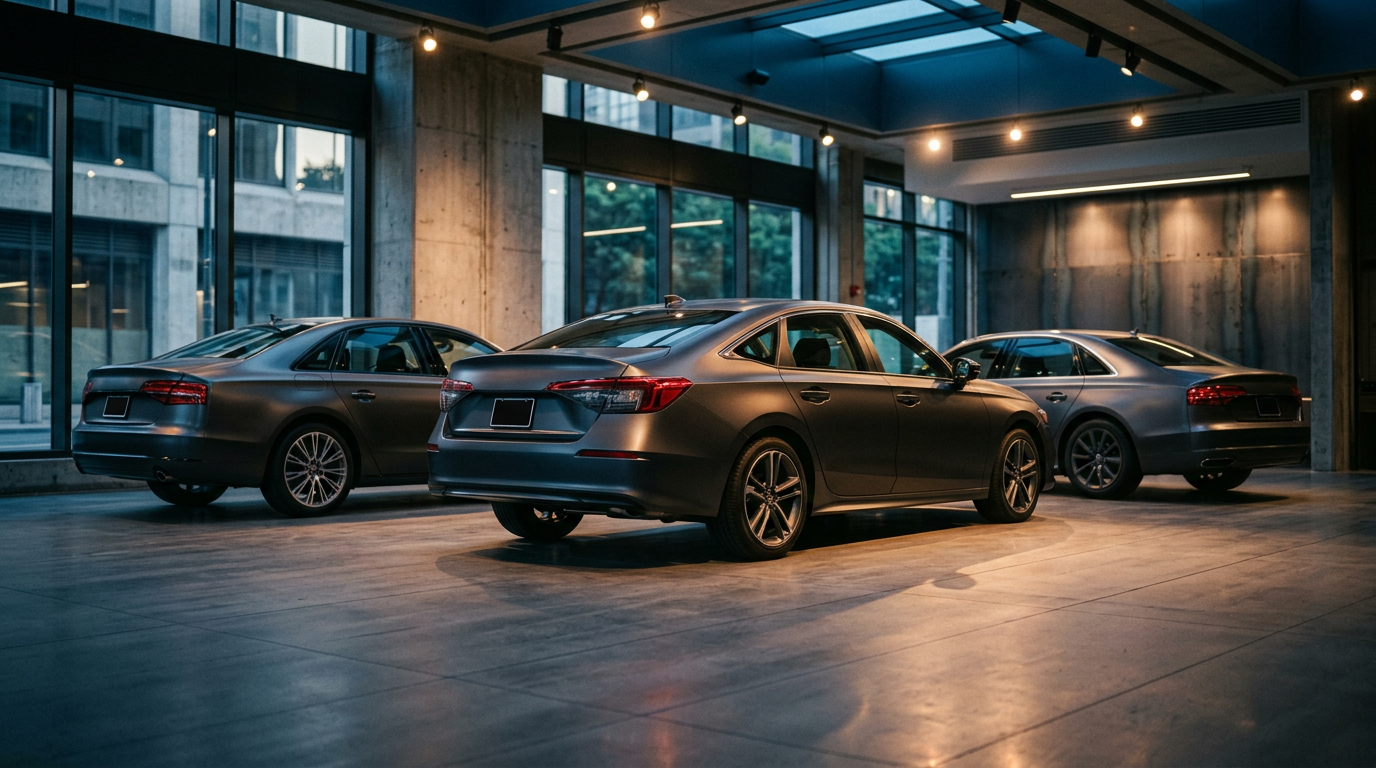
Selecting a trim level is a significant part of the vehicle-buying process. Manufacturers typically organize a single model into various tiers, ranging from basic versions to more comprehensive premium editions. Each level involves different costs and includes varying features related to comfort, safety technology, and potential resale considerations. Evaluating these levels systematically can help you determine which features are necessary for your driving habits.
Evaluating Entry-Level and Mid-Tier Trims
The entry-level trim is typically designed to provide a lower starting price for a specific model. While these versions include the core mechanical components of the vehicle, they may not include certain comfort features such as power-adjustable seats or advanced connectivity tools. For those focused on a specific budget, these models can be practical as they often share the same foundational safety structures as more expensive versions.\n\nMid-level trims often serve as a balance for many drivers. These versions frequently bundle popular options—such as enhanced driver-assist technology or upgraded interior materials—at a price point between the base and premium tiers. Depending on the manufacturer, these tiers might offer specific packages that include high-demand features without requiring a move to the most expensive model.
Assessing the Impact of Premium Trims
Higher-level trims often include a comprehensive set of features, which may include premium upholstery, advanced digital displays, and specialized audio systems. While these additions can enhance the daily driving experience, they also increase the total purchase price. It is often helpful to consider whether these features align with your actual vehicle usage and long-term requirements.\n\nDepreciation is also a factor to consider when looking at premium trims. In many cases, higher-level features may lose value more quickly than the standard components of a vehicle. Because standard features are often more universally desired on the secondary market, mid-level trims may provide a balance between initial features and future resale potential, depending on market conditions.
Comparing Safety and Performance Features
Safety technology can vary significantly between different trim levels. Some vehicles include basic safety systems as standard equipment, while more advanced driver-assistance features may be limited to higher trims or specific optional packages. Reviewing the equipment list for each tier can confirm if features like blind-spot monitoring or lane-keeping assistance are available on the model you are considering.\n\nIn some instances, mechanical performance may also change as you move up the trim ladder. Certain tiers might offer different engine options, drivetrain configurations, or suspension settings. If your routine driving requires specific capabilities, such as all-wheel drive for certain weather conditions, it is important to verify which trim levels offer these mechanical upgrades.
Determining the Utility of Feature Upgrades
When comparing trims, it can be useful to look beyond the total price and consider how the cost scales with the features provided. A higher tier may represent a relatively small increase in a monthly payment while providing comfort items that are used daily. Listing the features of each level side-by-side can help visualize what is included at different price points.\n\nTo manage costs effectively, you may want to avoid paying for features that do not align with your lifestyle. For example, if a trim level includes an integrated navigation system but you typically use smartphone integration for directions, that upgrade may not be necessary. Focusing on features that you will use regularly can help ensure the vehicle meets your needs without unnecessary expense.
Understanding Packages and Individual Options
Once a specific trim level is identified, it is helpful to research the available standalone options. Manufacturers often provide packages that combine several features for a single price. In some cases, a well-equipped mid-level trim with an added package may offer a similar experience to a top-tier model but at a different price point.\n\nAdditional variations can exist between factory-installed options and those installed at a dealership. Factory options are generally included during the assembly process and are typically covered by the standard vehicle warranty. Understanding how different options and packages are structured can help in selecting a vehicle that aligns with your specific preferences and financial considerations.
Disclaimer: This article is informational only and does not constitute financial, legal, or insurance advice. Eligibility, rates, and outcomes vary by lender, insurer, region, and individual circumstances. Always verify details with the program or institution directly before making decisions.