Car Reviews
Evaluating Car Features for Long-Term Value
By Jordan Mitchell · 6 min read
When selecting a vehicle, buyers often consider various upgrades and technological additions. From a financial standpoint, different features may impact the vehicle's future market value in different ways. Some options might enhance the appeal to a secondary buyer, while others may not provide a significant return on the initial expenditure. Understanding how these features typically perform over time can assist in making a more informed purchasing decision.
Mechanical Upgrades and Market Appeal
The mechanical configuration of a vehicle is often a significant factor in determining its long-term value. In certain vehicle classes, such as larger SUVs or trucks, opting for all-wheel drive or four-wheel drive may be beneficial. These configurations are often sought after in many used vehicle markets and might allow a seller to recover a portion of the initial cost compared to two-wheel drive alternatives. \n\nSimilarly, the choice of engine can influence how a vehicle is perceived by future owners. A vehicle that is considered underpowered for its size may be less desirable on the secondary market. Selecting an engine that provides adequate performance for the vehicle's weight may help maintain its value, as it can improve the overall utility and driving experience for subsequent owners.
Role of Safety Technology in Value Retention
Safety equipment has become an increasingly important consideration for many vehicle shoppers. Features such as blind-spot monitoring, adaptive cruise control, and multi-angle camera systems are frequently requested in the used market. In many cases, these functional upgrades are viewed as essential by families and safety-conscious buyers, which can help support the vehicle's resale price.\n\nInvesting in a safety-oriented package might offer a higher rate of value retention compared to purely aesthetic upgrades. As industry standards for safety continue to evolve, vehicles equipped with active safety technologies may be categorized more favorably by professional appraisers and private buyers alike. If a buyer is choosing between different optional packages, those focused on safety and driver assistance may be a more balanced choice for long-term value.
Evaluating the Longevity of Tech Features
Technological features can change rapidly, and some integrated systems may become outdated sooner than the mechanical components of the car. For example, built-in navigation hardware can be surpassed by mobile application updates, which could affect the feature's relevance over time. Systems that offer seamless mobile device integration may be more attractive to future buyers because they allow for ongoing software updates through the user's phone.\n\nIntegrated rear-seat entertainment systems, like built-in screens, may also see their value diminish as personal portable devices become more common. Buyers might find more utility in features that support device connectivity, such as multiple charging ports or integrated wireless connectivity options. These features are often less expensive to include initially and remain functional for a broader range of users as technology progresses.
Aesthetic Options and Market Expectations
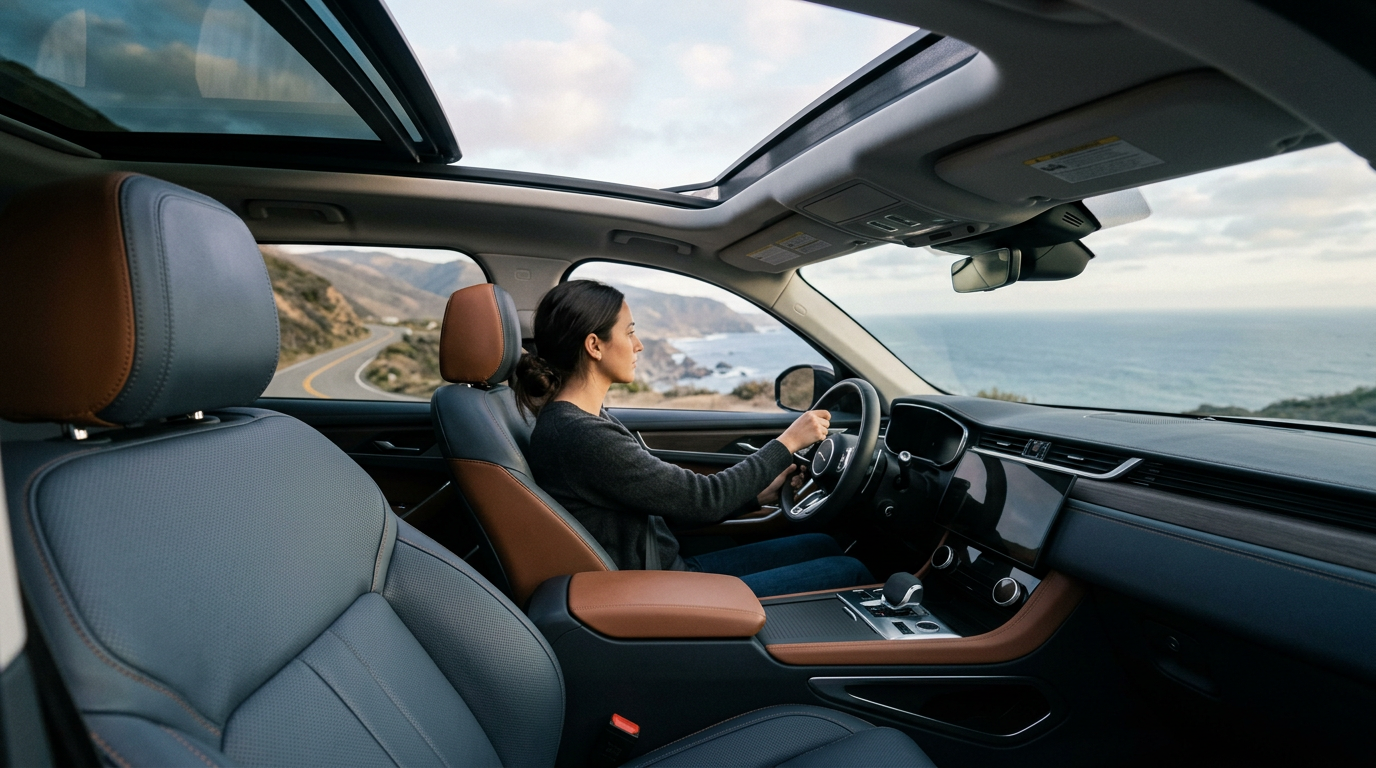
Aesthetic choices and niche modifications often have a varied impact on a vehicle's future price. Custom paint colors or specialized aftermarket parts may appeal to a small group of enthusiasts but could limit the number of interested buyers when it is time to sell. Neutral color palettes are typically associated with a broader market appeal and may facilitate a more predictable resale process.\n\nCertain features, such as sunroofs or panoramic glass roofs, are often expected in specific vehicle segments. While these additions might not always return their full initial cost, their absence in a luxury-class vehicle could potentially lower the vehicle's appeal compared to similar models. It is often useful to consider whether a feature is standard for the vehicle's category to avoid missing out on what the market considers a baseline requirement.
Researching Feature Performance in the Secondary Market
To estimate how a specific feature might affect a vehicle's future value, one can review current market listings for older versions of the same model. By comparing the prices of pre-owned vehicles with and without certain options, a buyer can see how much value those features typically retain after several years of use. If the price difference on the used market is minimal despite a high initial cost, the feature may have a lower return on investment.\n\nWhile personal preference and safety should remain primary considerations during the selection process, being aware of market trends can provide a helpful perspective. If a buyer is unsure about a particular upgrade, analyzing its performance in the secondary market can provide data to help make a more informed choice. This approach balances the enjoyment of the vehicle with a practical look at potential future costs.
Disclaimer: This article is informational only and does not constitute financial, legal, or insurance advice. Eligibility, rates, and outcomes vary by lender, insurer, region, and individual circumstances. Always verify details with the program or institution directly before making decisions.